
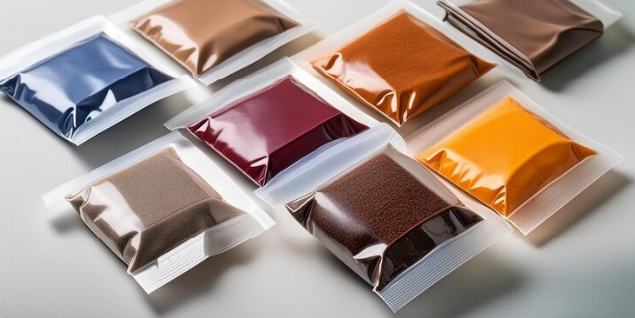
In modern packaging industries especially food, pharmaceutical, and consumer goods product integrity is non-negotiable. Even a minor leakage in packaging can result in product contamination, reduced shelf life, and significant brand damage. To address this challenge, manufacturers rely on Heat Seal Coatings for Packaging Protection, a technology that ensures strong, durable seals across flexible packaging materials.
These specialized coatings create airtight bonds between packaging layers when exposed to controlled heat and pressure. The result is packaging that maintains structural integrity during transportation, storage, and consumer handling. As industries increasingly demand secure and sustainable packaging solutions, the importance of advanced heat-seal coatings continues to grow.
Understanding Heat Seal Coatings in Modern Packaging
Heat seal coatings are functional chemical layers applied to substrates such as plastic films, aluminum foil, or paper. When heat and pressure are applied during the packaging process, the coating activates and forms a strong bond between surfaces.
This sealing mechanism is critical in flexible packaging systems used for snacks, pharmaceuticals, cosmetics, and industrial products. Once the coating cools after sealing, it forms a robust bond that is difficult to separate without visible damage, ensuring both protection and tamper evidence.
High-quality heat seal coatings help manufacturers achieve:
- Airtight and moisture-resistant packaging
- Tamper-evident seals
- Compatibility with multiple substrates
- High-speed packaging line efficiency
These capabilities make them indispensable for industries that rely on leak-proof packaging.
The Role of Heat Seal Coatings in Preventing Packaging Leakage
Packaging leakage usually occurs when the sealing layer fails due to poor adhesion, contamination, or insufficient sealing strength. Heat Seal Coatings for Packaging Protection eliminate these problems by forming consistent and durable bonds across packaging materials.
- Creating Airtight and Moisture-Resistant Seals
One of the most significant advantages of heat seal coatings is their ability to create hermetic seals. Hermetic sealing ensures that air, moisture, and contaminants cannot penetrate the package.
This feature is especially crucial for:
- Food products sensitive to moisture
- Pharmaceutical items requiring sterile environments
- Chemicals requiring controlled storage conditions
By blocking external elements, the coatings protect product quality and prevent leakage during transit or storage.
- Enhancing Bond Strength Between Packaging Layers
Flexible packaging structures often involve multiple layers, such as plastic films, foils, or paper laminates. Heat seal coatings ensure strong adhesion between these layers.
When heat activates the coating, it softens and flows across the bonding surface. As the seal cools, it solidifies and forms a durable connection.
This strong bond prevents seal failure, which is one of the most common causes of packaging leakage.
- Supporting High-Speed Packaging Operations
Manufacturers today operate high-speed packaging lines to meet increasing production demands. Heat seal coatings are engineered to perform consistently even in rapid sealing processes.
Many advanced formulations feature:
- Low seal initiation temperatures
- Fast bonding times
- Stable sealing performance
These properties allow packaging machines to run at higher speeds without compromising seal quality, reducing the risk of leaks during large-scale production.
- Providing Tamper-Proof Packaging
Another advantage of heat seal coatings is their tamper-evident capability. Once the package is sealed, any attempt to open it leaves visible signs of damage.
This is particularly important in industries where safety and authenticity matter, including:
- Pharmaceutical packaging
- Food and beverage products
- Medical device packaging
Tamper-evident sealing not only prevents leakage but also builds consumer trust in the product.
- Ensuring Compatibility with Multiple Substrates
Flexible packaging often involves different material combinations. Heat seal coatings are designed to adhere effectively to substrates such as:
- PET and BOPP films
- Aluminum foil laminates
- Paper-based packaging materials
Their versatility allows manufacturers to use a single sealing solution across multiple packaging formats, reducing operational complexity.
Advanced Packaging Solutions for Modern Industries
With growing demand for sustainable and high-performance packaging, chemical innovation plays a critical role. Innokan Technochem develops advanced coatings engineered to improve packaging durability, sealability, and surface performance across multiple industrial applications.
These solutions help manufacturers achieve reliable sealing, consistent production performance, and improved packaging protection across sectors such as food, pharmaceuticals, and consumer goods.
Why Businesses Should Choose Reliable Suppliers
Selecting trusted Suppliers of Heat Seal Coatings for Packaging is crucial for ensuring packaging reliability and operational efficiency. Quality coatings must provide:
- Consistent seal strength
- Compatibility with packaging equipment
- Compliance with industry safety standards
- Reliable performance across temperature ranges
Working with experienced Suppliers of Heat Seal Coatings for Packaging allows manufacturers to optimize their packaging processes while minimizing risks associated with leakage, contamination, and product damage.
Future Trends in Heat Seal Packaging Technology
The packaging industry continues to evolve with new demands for sustainability and efficiency. Emerging innovations in heat seal coatings include:
- Water-based formulations with reduced environmental impact
- Low-temperature sealing technologies for energy efficiency
- Coatings designed for recyclable and mono-material packaging
These advancements help manufacturers balance performance, environmental responsibility, and operational cost efficiency.
Conclusion
Packaging leakage can lead to product waste, regulatory challenges, and reputational damage. Advanced Heat Seal Coatings for Packaging Protection play a vital role in preventing these issues by creating strong, airtight seals that maintain packaging integrity throughout the supply chain.
From enhancing bond strength to enabling high-speed packaging operations, these coatings deliver the reliability modern industries require. By working with experienced Suppliers of Heat Seal Coatings for Packaging, businesses can implement packaging solutions that ensure product safety, reduce leakage risks, and improve overall operational efficiency.
As packaging technologies continue to advance, heat seal coatings will remain a critical component in achieving secure, durable, and high-performance packaging systems.
FAQs
What are heat seal coatings in packaging?
Heat seal coatings are specialized chemical coatings applied to packaging materials that activate under heat and pressure to create a strong bond between surfaces, ensuring secure and leak-proof packaging.
How do heat seal coatings prevent packaging leakage?
They form airtight and moisture-resistant seals between packaging layers, preventing air, liquid, or contaminants from entering or escaping the package.
Which industries commonly use heat seal coatings?
Industries such as food packaging, pharmaceuticals, cosmetics, medical devices, and consumer goods frequently use heat seal coatings for reliable sealing and product protection.
Are heat seal coatings compatible with different packaging materials?
Yes. They are designed to bond with multiple substrates including plastic films, aluminum foils, laminates, and paper-based packaging materials.
Why is choosing the right heat seal coating supplier important?
A reliable supplier ensures consistent product quality, technical support, regulatory compliance, and coatings optimized for specific packaging equipment and production conditions.
Image Source:- Google Images, Freepik, Social Media Platforms & AI Tools